
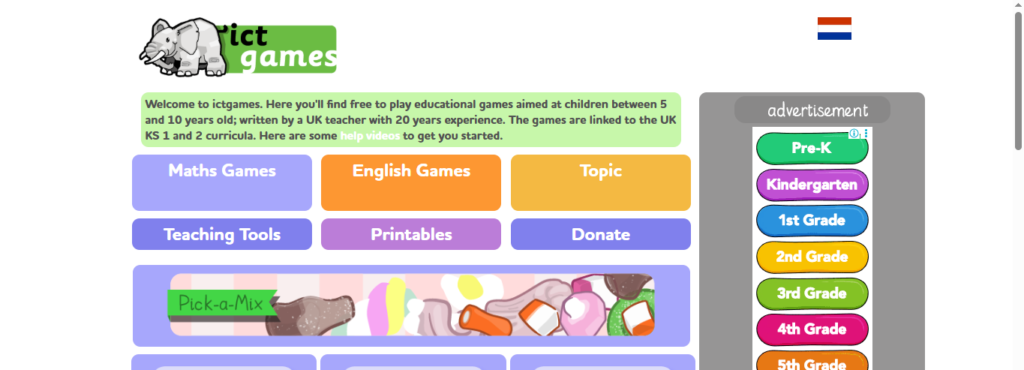

In today’s digital age, the importance of technology in education cannot be overstated. Interactive learning methods, especially those incorporating Information and Communication Technology (ICT), are transforming how students grasp various concepts. One of the most engaging and effective ways to enhance digital skills is through ICT games. These games, often blending learning with fun, can significantly boost cognitive abilities, improve problem-solving skills, and foster creativity.
In this article, we explore the top ICT games that help learners improve their digital skills. We’ll discuss their benefits, various types of games, and how they contribute to skill development. Whether you’re a teacher looking to incorporate ICT into your classroom or a parent seeking educational tools for your children, these ICT games are sure to offer a valuable learning experience.
What are ICT Games?
ICT games are digital games that integrate information and communication technology to facilitate learning. Unlike traditional educational tools, these games use multimedia elements such as graphics, sound, and interactive controls to make learning more engaging. The key advantage of ICT games is their ability to combine entertainment with education, making learning enjoyable and effective.
These games target a variety of subjects such as mathematics, science, languages, and coding. ICT games are designed to enhance critical thinking, creativity, and other digital skills that are crucial in the modern world.
The Importance of ICT Games in Digital Skills Development
In an era where digital literacy is vital, ICT games provide a fun and dynamic way to develop essential digital skills. These skills include but are not limited to, using software tools, navigating digital interfaces, coding, cybersecurity awareness, and problem-solving.
Through ICT games, learners not only gain proficiency in using technology but also improve their logical thinking, decision-making abilities, and adaptability. These games also prepare students for real-world challenges by simulating real-life scenarios that require digital interaction.
How ICT Games Improve Digital Literacy
Digital literacy is the foundation of modern education. Students need to be able to operate computers, software, and online tools to succeed in school and later in their careers. ICT games enhance digital literacy by requiring players to interact with different digital interfaces, follow instructions, and sometimes even solve technical challenges.
For instance, games that require typing skills or navigating through software programs help students improve their efficiency with digital devices. Moreover, many ICT games offer tutorials or feedback that guide students through digital processes, strengthening their overall tech proficiency.
Types of ICT Games for Skill Development
ICT games come in a variety of formats, each tailored to specific skills. The most common types include:
1. Educational Games for Basic Skills
These games focus on foundational subjects like reading, writing, arithmetic, and science. They are suitable for young learners or beginners who need to establish a solid base in these areas.
Examples:
- ABCmouse: An educational game designed for children, offering interactive lessons in math, reading, art, and more.
- Math Blaster: A fun way to improve math skills through interactive, space-themed challenges.
2. Coding and Programming Games
These games focus on teaching students the basics of coding and logic. By solving coding puzzles or creating simple programs, learners can understand how coding works and develop skills that are essential for a tech-driven world.
Examples:
- Scratch: A visual programming language that allows students to create interactive stories, animations, and games.
- LightBot: A puzzle game that teaches programming logic in a fun and engaging way.
3. Problem-Solving Games
These games require players to use logic and reasoning to solve challenges. They are excellent for developing critical thinking and decision-making skills.
Examples:
- Portal: A physics-based puzzle game where players use portals to solve challenges.
- The Room: A series of puzzles that require players to solve intricate challenges using logic and observation.
4. Virtual Simulations and Real-World Applications
Virtual simulations mimic real-world processes and help students apply their knowledge in practical scenarios. They can simulate everything from managing a business to performing scientific experiments.
Examples:
- SimCity: A city-building game where players manage urban development, infrastructure, and policies.
- Kerbal Space Program: A space exploration simulation where players design and manage space missions.
5. Language and Communication Games
Language games are perfect for students looking to improve their literacy, vocabulary, and communication skills. These games can help learners of all ages enhance their language abilities.
Examples:
- Duolingo: A language learning platform that uses games to help users learn new languages.
- WordWhomp: A fun, fast-paced word game that enhances vocabulary and spelling skills.
6. Collaborative and Team-Based Games
Some ICT games are designed for collaboration, where players work in teams to achieve a common goal. These games encourage teamwork, communication, and social interaction.
Examples:
- Minecraft Education Edition: A version of the popular game that emphasizes collaboration and problem-solving in an educational context.
- Roblox: A gaming platform where players can design their own games and collaborate with others.
Benefits of ICT Games for Enhancing Digital Skills
1. Increased Engagement and Motivation
One of the biggest challenges in traditional education is keeping students engaged. ICT games, with their interactive and fun nature, provide a solution. They stimulate the brain and motivate students to learn more actively.
2. Hands-On Learning Experience
ICT games offer a hands-on approach to learning. By directly interacting with digital tools, players acquire practical skills that can be applied in real-world scenarios. This active learning process enhances the retention of knowledge.
3. Real-Time Feedback and Improvement
Many ICT games offer real-time feedback, which helps learners identify mistakes and correct them on the spot. This instant feedback loop encourages continuous improvement and boosts confidence in digital skills.
4. Development of Critical Thinking and Problem-Solving Skills
ICT games often present players with challenges that require strategic thinking and problem-solving. These types of games help develop critical thinking skills, which are essential in both academic and professional settings.
5. Encouragement of Independent Learning
Many ICT games are designed to be played solo, which encourages independent learning. Players have the opportunity to make decisions, experiment with different strategies, and learn at their own pace.
How to Integrate ICT Games in the Classroom
ICT games are not just for home use; they can be highly effective in classroom settings as well. Teachers can incorporate these games into lesson plans to reinforce various subjects while maintaining student engagement.
1. Setting Clear Learning Objectives
Before using ICT games, it is important to set clear learning objectives. Determine what skills or knowledge you want students to gain from the game. This could range from basic math skills to advanced problem-solving techniques.
2. Creating a Balanced Game-Based Learning Environment
While ICT games are an excellent educational tool, they should not be the sole method of instruction. Teachers should balance game-based learning with traditional teaching methods to ensure students receive a well-rounded education.
3. Encouraging Group Play for Collaborative Learning
Group play can be especially beneficial for fostering teamwork and communication skills. Teachers can organize group activities where students collaborate to solve problems or complete challenges in ICT games.
4. Monitoring Progress and Providing Feedback
Teachers should track students’ progress while they play ICT games and offer constructive feedback. This helps guide students through the learning process and ensures that the educational objectives are being met.
Conclusion: The Future of ICT Games in Education
As technology continues to evolve, ICT games will likely play an even more significant role in education. With advancements in artificial intelligence, virtual reality, and interactive interfaces, these games will become more immersive and effective at teaching complex digital skills.
Incorporating ICT games into education not only enhances students’ digital proficiency but also prepares them for the future. By using fun and interactive learning tools, educators and parents can help students acquire the skills needed to thrive in the digital world. Whether through coding, problem-solving, or collaboration, ICT games are a powerful tool for shaping the digital skills of tomorrow’s leaders.